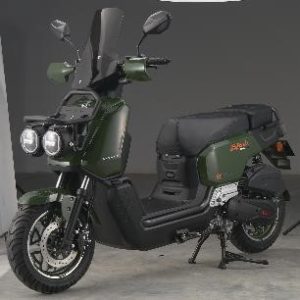
The Gas-Powered Motorcycle: Rooted Heritage, Rapid Evolution, and the Road Ahead
Introduction
Gas-powered motorcycles have rolled through decades of innovation, shaping the way we move, thrill, and commute. From the roar of a classic single-cylinder engine to the modern efficiency of multi-cylinder powerplants, gas bikes remain a cornerstone of motorcycling culture. This blog explores what makes gas motorcycles enduring, how they stack up against alternatives, and what riders can expect in the near future.
A Brief History
- Early days: In the late 19th and early 20th centuries, gas engines transformed bicycles into motorized machines, giving people newfound mobility and excitement.
- Golden era: The postwar period saw rapid advances in reliability, performance, and design, with iconic brands and models becoming cultural symbols.
- Modern era: Advances in fuel injection, electronic control units, and lightweight materials have boosted efficiency, torque, and reliability without sacrificing the visceral experience riders crave.
Why Riders Still Choose Gas Motorcycles
- Availability and variety: A vast ecosystem of engines, exhaust notes, and configurations—from scramblers and cruisers to sport bikes and dual-sport bikes.
- Refueling convenience: Widespread gas stations and faster fill times compared to some electric bikes, especially on longer trips.
- Riding experience: The torque curves, acoustics, and highway manners of gasoline engines deliver a distinctive, engaging feel that many riders love.
- Cost considerations: For some segments, the upfront cost of gas bikes remains competitive with or lower than high-end electric alternatives, though total ownership costs vary.
Challenges and Trade-offs
- Emissions and efficiency: Gas engines emit CO2 and pollutants; ongoing improvements include better combustion efficiency and stricter standards.
- Noise and environmental impact: Noise regulations and urban air quality goals influence design and rider behavior.
- Maintenance: Regular servicing, such as oil changes, valve adjustments, and chain maintenance, can be more frequent than some electric options.
- Longevity and resale: As markets shift, certain models may depreciate faster or require more skilled maintenance.
Performance and Technology Trends
- Lightweight design: Advances in materials reduce curb weight and improve handling.
- Engine tuning and carburation vs. fuel injection: Modern bikes favor precise fuel delivery for efficiency and power.
- Electronics: Ride-by-wire throttles, traction control, selectable riding modes, and advanced braking systems are becoming mainstream across segments.
- Sustainability within gas ecosystems: Some manufacturers explore biofuels or synthetic fuels to reduce lifecycle emissions without sacrificing performance.
Maintenance Essentials for Gas Motorcycles
- Regular oil and filter changes: Follow manufacturer intervals; quality synthetic oils can extend intervals.
- Air filters and fuel systems: Clean air intake improves performance; carburetor or injection maintenance prevents fouling.
- Tire care and suspension: Proper tire pressure and suspension setup improve safety and ride quality.
- Cooling systems: Ensure coolant levels and radiator cleanliness on liquid-cooled engines.
- Battery and electronics: Even gas bikes rely on charging systems for electronics; check connections and voltage.
Safety Considerations
- Gear and protection: Helmet, gloves, jacket, pants, boots, and eye protection are standard safety gear.
- Protective riding techniques: Maintain a safe following distance, anticipate traffic, and use proper cornering lines.
- Maintenance safety: Before rides, inspect brakes, lights, and tires; perform routine checks to avoid failures.
The Road Ahead: Gas Motorcycles in a Changing Market
- Competition from electric motorcycles: Fuel prices, range anxiety, and charging infrastructure influence consumer choices.
- Hybrid and alternative fuels: Some manufacturers experiment with efficient hybrid concepts or high-performance engines that burn cleaner fuels.
- Community and culture: Enthusiast groups, tours, and events keep the gas bike community vibrant and connected.