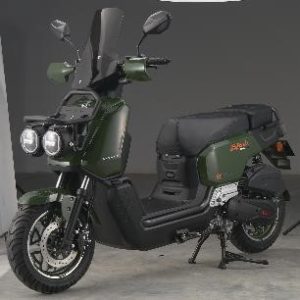
Gas Motorcycles in 2025: Practical Insights for Riders Seeking Torque, Rhythm, and Reliability
Gas-powered motorcycles have powered the thrill of the open road for generations. In 2025, they remain a compelling choice for riders who value immediate torque, a familiar service ecosystem, and a rich riding culture. This post explores why gas motorcycles continue to matter, the tech that keeps them relevant, how they compare to emerging alternatives, and practical tips for choosing and maintaining one in today’s market.
Section 1: Why Gas Motorcycles Still Make Sense
- Proven performance: broad torque bands and quick throttle response that many riders still love.
- Global availability: service networks, spare parts, and dealer support are widespread.
- Sound and feel: the visceral experience of an exhaust note and engine vibration connects riders to the machine.
- Cost and practicality: competitive upfront prices in many markets, with straightforward maintenance routines.
Section 2: What’s New Under the Gas Tank
- Electronic fuel injection and smarter ECUs: improved fueling, efficiency, and ride-by-wire feel.
- Lightweight materials: strong frames and components that improve handling without compromising durability.
- Enhanced safety electronics: ABS, traction control, and ride modes that adapt to conditions.
- Emissions progress: catalytic converters and advanced diagnostics that help meet stricter standards without dulling performance.
Section 3: Gas vs. Alternatives: A Quick Shot for 2025
- Range and fueling: gas bikes excel at long rides and quick refueling, while electric bikes shine in city commuting with charging options.
- Maintenance realities: gas bikes require oil changes, filters, and periodic tune-ups; electric bikes emphasize battery care and software updates.
- Total cost of ownership: consider purchase price, maintenance, depreciation, and the cost of infrastructure (charging vs. fueling).
- Environmental perspective: lifecycle considerations, usage patterns, and the growing role of blend approaches (hybrid concepts in some brands).
Section 4: Practical Buying Guide for Gas Motorcycles Today
- Define riding goals: sport, touring, daily commuting, or adventure.
- Match the power delivery: understand torque curves and gearing to suit your skill level.
- Check modern safety features: ABS, cornering ABS, wheel-speed sensors, and ride modes.
- Look at maintenance support: local service intervals, ease of parts access, and certified technicians.
- Consider aftermarket potential: exhausts, suspension upgrades, and ECU tuning options.
Section 5: Keeping Your Gas Motorcycle in Prime Condition
- Regular maintenance checklist: oil and filter changes, air filter, spark plugs, chain care, and brake health.
- Fuel and storage: use fresh fuel, stabilizers for storage, and ethanol considerations in some regions.
- Cooling considerations: verify coolant levels and radiator cleanliness for liquid-cooled engines; ensure proper airflow for air-cooled engines.
- Seasonal care: prep for off-season storage, battery maintenance, and corrosion prevention.
- DIY vs. pro care: what you can safely do at home vs. when to call a dealership or shop.
Section 6: The Rider’s Perspective: Cultures, Communities, and Rides
- The social side: clubs, rally events, and mentorship that keep the hobby vibrant.
- Personal storytelling: how a well-loved gas bike can become a trusted companion on daily commutes and weekend adventures.
- The sensory joy: the soundtrack, vibrations, and tactile feedback that make riding a gas bike a distinctive experience.
Conclusion
Gas motorcycles remain relevant in 2025 because they offer a practical blend of performance, networked support, and emotional connection. They coexist with electric and other powertrain options, each serving different rider needs. If you’re weighing a purchase this year, a gas motorcycle can deliver dependable, engaging, and affordable riding experiences with a timeless character.
Optional: Quick FAQ
- Are gas motorcycles facing stricter bans? Regulations vary by region, but many places focus on emissions and noise limits rather than outright bans. Check local rules.
- Do gas bikes require more maintenance than electric bikes? Generally yes, due to fluids, filters, and drivetrain upkeep, but maintenance schedules are straightforward and well-supported.
- Can gas motorcycles be eco-friendlier? Advances in emissions control and efficient designs help reduce impact, especially when bikes are well-maintained and driven responsibly.