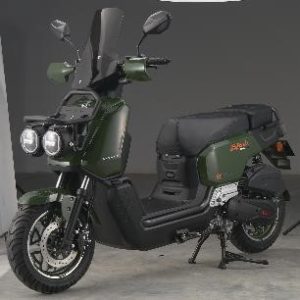
The Gas-Powered Grind: Why Gas Motorcycles Still Matter in a Modern Ride
Introduction
Gas motorcycles have powered two-wheeled adventure for over a century. Even as electric bikes gain ground, gasoline-powered motorcycles remain popular for their distinct advantages: accessibility, fueling convenience, broad aftermarket support, and a proven track record on performance. In this post, we’ll explore what makes gas motorcycles enduringly relevant, how they compare to electric options, and practical tips for riders who want to keep their engines humming smoothly.
Section 1: A Quick Primer on Gas Motorcycles
- What they are: Motorcycles powered by internal combustion engines that run on gasoline.
- Common engine types:
- 2-stroke: Lightweight and high-revving, but less fuel-efficient and more emissions-heavy.
- 4-stroke: More common today, balanced power delivery, better fuel economy, and lower emissions.
- Typical configurations: Single-cylinder, parallel-twin, V-twin, and multi-cylinder setups depending on performance needs.
- Where they shine: Long-distance touring, off-road reliability, cost-effective maintenance, and a vast ecosystem of parts and accessories.
Section 2: Pros and Cons
Pros
- Simpler fueling infrastructure: Gas stations are ubiquitous; no need for charging stops.
- Broad maintenance and repair network: Readily available parts and independent mechanics.
- Cost and accessibility: Often lower upfront price than high-end electric bikes; easier for DIY maintenance.
- Tuning and aftermarket: Extensive aftermarket parts for performance, aesthetics, and customization.
- Range and speed: Quick refueling means minimal downtime; many models offer robust horsepower and torque.
Cons
- Emissions and environmental impact: Gas engines produce pollutants and CO2; requires regular servicing to stay clean.
- Maintenance intensity: Requires oil changes, valve checks, carburetor or EFI tuning, and more frequent servicing than some electric bikes.
- Fuel economy vs performance: High-performance gas bikes can be thirstier than efficient electric bikes.
- Depreciation and future shifts: Market trends are shifting toward electrification in some regions, which can affect resale.
Section 3: Performance and Riding Experience
- Centred around torque: Gas engines often provide strong low-to-mid range torque, delivering a responsive, tactile ride.
- Sound and character: The exhaust note and engine vibration contribute to the sensory experience that many riders love.
- Heat and ride comfort: Air-cooled vs liquid-cooled designs influence engine temperature management and comfort on long rides.
- Maintenance mindset: Regular lubrication, air filter care, chain maintenance, and spark plug checks help sustain performance.
Section 4: Maintenance Essentials
- Regular service intervals: Follow the manufacturer’s schedule for oil changes, filter replacements, and valve adjustments.
- Air and fuel systems: Clean or replace air filters; use high-quality fuel and stabilizers if storing for extended periods.
- Chain care: Clean, lubricate, and adjust tension to prevent wear and ensure smooth power transfer.
- Cooling system: For liquid-cooled engines, check coolant levels and radiator integrity; for air-cooled, monitor heat dissipation and air shrouds.
- Diagnostics: Learn to read error codes on modern EFI systems or maintain carburetor timing where applicable.
- Safety checks: Inspect brakes, tires, lights, and electrical connections before every ride.
Section 5: Gas vs Electric: Choosing the Right Tool for the Ride
- Use case: Daily commuting and urban reliability may favor moderate gas bikes with good mileage; long-range touring or urban charging constraints might tilt toward electric bikes.
- Running costs: Gas bikes can be cheaper upfront; electric bikes may offer lower “fuel” costs and maintenance over time but higher upfront investment and charging considerations.
- Environmental considerations: If your priority is minimizing emissions, consider hybrid approaches or electric options, while recognizing the current dependence on charging infrastructure.
- Personal preference: The tactile feedback, sound, and maintenance culture of gas bikes appeal to many riders.
Section 6: Future Trends and Tips
- Emissions regulations: Expect tighter standards worldwide; many brands will balance performance with efficiency.
- Hybrid tech: Some manufacturers experiment with mild-hybrid powertrains to improve efficiency without sacrificing torque.
- Aftermarket evolution: More advanced air-fuel management, exhaust optimizations, and tuners to customize performance while meeting emission targets.
- Rider education: Emphasize responsible maintenance, fuel quality, and safe riding practices to prolong engine life.
Conclusion
Gas motorcycles offer a timeless combination of performance, convenience, and a vast ecosystem of parts and expertise. While electrification is reshaping the landscape, gas-powered bikes remain a practical and enjoyable option for riders who value quick fueling, mechanical accessibility, and a tactile riding experience. If you’re considering a new ride, weigh your daily routes, maintenance willingness, and budget—then choose the powertrain that aligns with your riding life.
Optional call-to-action ideas
- Share your riding goals: What type of riding are you most excited about?
- Maintenance tip thread: What maintenance routines have you found most impactful for longevity?
- Community invite: Join a local motorcyclist group or club to swap tips and routes.