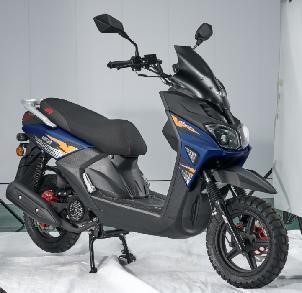
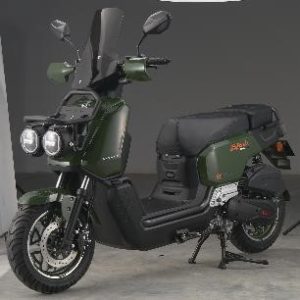
Gas Motorcycles: A Timeless Ride in a Changing Era
Gas-powered motorcycles have been a cornerstone of motorcycling culture for over a century. While electric bikes gain momentum, gas motorcycles continue to attract riders with their distinctive character, visceral sound, and proven reliability. This blog explores what makes gas motorcycles enduring favorites, how they work, their pros and cons, and practical tips for riders and buyers.
What is a Gas Motorcycle?
A gas motorcycle, or gasoline-powered motorcycle, uses an internal combustion engine typically running on petrol (gasoline) to convert fuel into mechanical energy that drives the rear wheel. Most traditional bikes use four-stroke engines, though two-stroke engines are still found in some classic or lightweight models. Key components include the engine, fuel system, exhaust system, transmission, chassis, and braking system.
A Brief History
- Early days: The motorcycle industry emerged in the late 19th and early 20th centuries with internal combustion engines, evolving from bicycle-mounted engines to purpose-built machines.
- Golden era: Post-war decades saw rapid advancements in engine displacement, performance, and styling, turning motorcycles into mainstream transportation and sport.
- Modern era: Advances in materials, electronics, and emission controls shaped contemporary gas motorcycles, balancing performance with efficiency and compliance.
How It Works (Simple Overview)
- Power generation: Fuel mixed with air is combusted in the engine’s cylinders, producing explosions that push pistons.
- Conversion to motion: Pistons crank a rotating shaft via a connecting rod, delivering rotational energy to the crankshaft.
- Transmission: The engine’s power passes through a gearbox, selecting gear ratios to suit speed and torque needs.
- Drive: Power reaches the rear wheel through a chain, belt, or shaft drive, propelling the bike.
- Support systems: A fuel tank stores petrol, a carburetor or fuel injection system meters fuel, and an exhaust system manages emissions and sound.
Why Riders Choose Gas Motorcycles
- Realistic range and quick refueling: Gas bikes often offer longer ranges and faster refueling compared to many current electric models.
- Throttle response and sound: The immediacy of throttle response and the torquey, auditory experience are beloved by enthusiasts.
- Maintenance and repair ecosystem: A mature market with widespread service networks, aftermarket parts, and DIY repair culture.
- Ride feel and character: Many riders appreciate the weight, balance, and legacy of gas-powered powertrains.
Pros and Cons
Pros
- Range and quick fueling
- Broad accessory and service ecosystem
- Familiarity for many riders and mechanics
- Torque delivery and engine character
Cons
- Emissions and environmental impact
- Ongoing maintenance needs (oil changes, spark plugs, filters)
- Potentially higher long-term operating costs
- Noise and locality restrictions in some areas
Gas vs. Electric Motorcycles: A Quick Comparison
- Range and charging: Gas bikes typically offer longer range and quicker “refuel” moments; electric bikes excel in charging efficiency and zero tailpipe emissions.
- Weight and performance: Electric bikes can deliver instant torque, often with lighter drivetrain complexity; gas bikes can sustain high-speed performance with fuel-based power curves.
- Maintenance: Gas engines require oil changes, valve adjustments, and exhaust care; electric drivetrains have fewer moving parts but battery management is critical.
- Sound and experience: Many riders associate gas motorcycles with a traditional, immersive experience; electric bikes offer near-silent operation and modern tech integration.
Maintenance and Care Tips
- Regular oil changes and filter replacements: Follow manufacturer intervals; use recommended oil grade and viscosity.
- Spark plugs and air filters: Inspect and replace as needed to maintain efficiency and power.
- Cooling system care: Some engines are air-cooled; liquid-cooled systems require coolant checks and radiator maintenance.
- Fuel health: Use fresh petrol, stabilizers for storage, and avoid prolonged gasoline with ethanol blends that may degrade storage.
- Chain/belt maintenance: Lubricate chains, adjust tension, and inspect for wear; for shaft drives, check gear oil.
- Exhaust and emissions: Monitor for leaks and backfiring; ensure catalytic converters (where fitted) are healthy.
- Storage: Keep bikes in a dry, ventilated area; use a cover to protect from dust and humidity.
Buying Guide: How to Choose a Gas Motorcycle
- Determine your riding goals: daily commuting, sport riding, touring, or off-road.
- Engine size and power: Beginners typically start with 250-500cc; experienced riders may prefer 600-1000cc for more power.
- Weight and ergonomics: Sit-on comfort, reach to the handlebars, and footpeg placement affect control.
- Fuel economy and emissions: Check EPA or local standards; consider models with advanced emission controls.
- Maintenance cost and parts availability: Research local service networks and aftermarket support.
- Insurance and licensing: Verify local regulations and insurance costs for your chosen model.
- Test ride: If possible, test ride to assess handling, vibration, and comfort.
Common Myths Debunked
- Gas bikes are loud and polluting: Modern exhaust systems and catalysts reduce noise and emissions; regulations drive cleaner designs.
- Electric is always better for the environment: Lifecycle analysis depends on electricity sources and manufacturing; gas bikes can be efficient and repairable.
- Gas bikes are obsolete: They remain relevant in many markets due to infrastructure, cost, and preference for traditional riding experiences.
Riding Culture and Community
Gas motorcycles have fostered vibrant communities—club rides, track days, and cafe racer scenes. The tactile feedback of a well-tuned engine, the ritual of fuel, oil checks, and maintenance rituals create a shared culture of hands-on ownership.
Future Trends
- Cleaner combustion and efficiency: Advances in engine design, fuel delivery, and emissions control.
- Hybrid options: Some manufacturers explore hybrid powertrains combining internal combustion with electric assist.
- Lightweight materials: Aluminum and composite components reduce weight and improve efficiency.
- Connectivity and electronics: Ride-by-wire throttles, advanced ABS, traction control, and integrated infotainment.