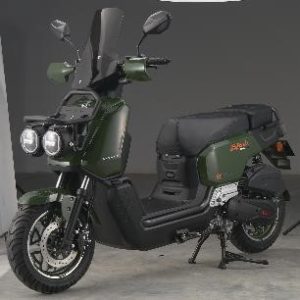
Gas-Powered Motorcycles: Revving Through History, Technology, and the Road Ahead
Intro (Hook and overview)
Gas-powered motorcycles have fueled countless adventures and industrial revolutions, from early single-gear bikes to modern high-performance machines. This blog explores how internal combustion engines power riders today, how fuel and emissions shape the riding experience, and what the future holds as electrification and regulations evolve. Whether you’re curious about how a gas engine works, seeking maintenance tips, or weighing gas vs. electric options, you’ll find practical insights here.
Section 1: A quick history snapshot
- Early days: The birth of motorcycling in the late 19th century with simple two-stroke and four-stroke engines.
- Golden era: Postwar technology advances, larger displacement bikes, and iconic models.
- Modern era: Fuel injection, compliant emissions, and turbocharged or high-revving engines for performance.
- Takeaway: Gas motorcycles evolved through mechanical ingenuity and regulatory landscapes, shaping riding culture along the way.
Section 2: How a gas motorcycle engine works (high level)
- Key components: spark plug, piston, crankshaft, camshaft, intake/exhaust valves, fuel system, and exhaust.
- The four-stroke cycle (typical in motorcycles):
- Intake: air-fuel mix enters cylinder.
- Compression: mixture compressed for a powerful burn.
- Power: combustion pushes the piston, producing work.
- Exhaust: spent gases exit.
- Fuel delivery: carburetors (older) vs. fuel injection (modern); electronic control units (ECUs) optimize timing and air-fuel ratio.
- Power transfer: crankshaft converts linear piston motion to rotational output; transmission and final drive send power to the rear wheel.
- Emissions and efficiency: catalytic converters, O2 sensors, and advanced spark timing improve efficiency and curb pollutants.
Section 3: Engine types and what they feel like
- Single-cylinder (thumper): light, torquey at low revs; great for city riding and beginners.
- Parallel twins: smooth power band; balanced for everyday riding.
- V-twins and inline-fours: high RPM potential, characteristic exhaust note, more top-end speed.
- Two-stroke vs four-stroke: two-strokes are lighter and often louder with higher power-to-weight but higher emissions; four-strokes are cleaner and more fuel-efficient.
- For newcomers: consider seat height, weight, and torque feel more than raw horsepower.
Section 4: Fuel, efficiency, and maintenance basics
- Fuel types: regular petrol in most regions; premium fuels or ethanol blends can affect performance and fuel economy.
- Efficiency tips: keep tires properly inflated, routine maintenance, clean air filters, proper spark plugs, and regular oil changes.
- Common maintenance tasks:
- Check and replace spark plugs as recommended.
- Inspect and adjust chain/belt tension and lubrication.
- Monitor coolant and oil levels for liquid-cooled engines.
- Inspect brakes, tires, and lighting for safety.
- Safety and reliability: regular servicing reduces unexpected breakdowns; always follow the manufacturer’s maintenance schedule.
Section 5: Gas vs. electric motorcycles: a quick comparison
- Pros of gas bikes: proven range, quick refueling, widespread service networks, broad model variety.
- Cons of gas bikes: emissions, ongoing fuel costs, maintenance complexity.
- Pros of electric bikes: instant torque, quieter operation, lower running costs, fewer moving parts.
- Cons of electric bikes: charging time, range limitations, battery degradation concerns, charging infrastructure in some areas.
- When choosing: consider your typical commute, charging access, maintenance willingness, and environmental priorities.
Section 6: Regulations, safety, and rider responsibilities
- Emission standards and noise regulations vary by country/state; bikes may require inspections or catalytic converters.
- Safety basics: proper gear (helmet, gloves, jacket, boots), defensive riding, and regular braking checks.
- Environmental responsibility: proper disposal of used oil, filters, and batteries; respect for noise limits in communities.
Section 7: Practical riding and buying tips
- Test riding: assess ergonomics, weight distribution, throttle response, and braking feel.
- Purchasing advice: new vs. used, warranty, service history, and model-specific known issues.
- A simple maintenance checklist for monthly use:
- Check oil level and top up if needed.
- Inspect tires for wear and pressure.
- Test lights, horn, and signals.
- Listen for unusual noises during startup and riding.
- Common misconceptions:
- More displacement always means better performance; tuning, weight, and gearing matter too.
- Gas engines are inherently dirty; modern bikes are far cleaner thanks to catalysts and precise fuel control.
Conclusion and future outlook
Gas-powered motorcycles remain a cornerstone of riding culture and practicality for many riders worldwide. While electrification accelerates, gasoline engines continue to evolve with cleaner emissions, smarter electronics, and refined performance. The choice between gas and electric will depend on individual riding needs, access to charging, and personal values—yet both paths push the industry toward smarter, safer, and more efficient two-wheeled transportation.
FAQ (3–5 quick questions)
- How often should I service a gasoline motorcycle?
- Follow the manufacturer’s schedule, typically every 3,000–6,000 miles for minor services, with major services at longer intervals.
- What’s the difference between a 2-stroke and 4-stroke engine?
- 2-stroke engines fire every crankshaft revolution, delivering high power-to-weight but higher emissions; 4-stroke engines fire every other revolution, offering better fuel efficiency and emissions control.
- Can I improve fuel efficiency easily?
- Yes: keep tires inflated, regular maintenance, clean air filters, proper spark plugs, and smooth riding techniques (steady throttle, less aggressive starts).
- Are gas bikes loud?
- Some models are louder due to exhaust design; many regions require compliant exhaust systems to meet noise regulations.
- How do I compare gas vs electric for my commute?
- Consider daily distance, charging access, upfront cost vs. total cost of ownership, maintenance preference, and environmental impact.
Meta description (SEO-friendly summary)
Explore the world of gas-powered motorcycles: how the engine works, common types, maintenance tips, and comparisons with electric bikes. A practical guide for riders of all levels.
Optional visuals and data ideas
- Diagram showing the four-stroke cycle.
- Infographic of common engine types and their feel.
- A simple maintenance checklist poster.
- Table comparing gas vs. electric motorcycles on range, charging, weight, and cost of ownership.
Notes for customization
- If you share your target length, preferred tone, and any keywords you want to emphasize for SEO, I can trim or expand sections, adapt the style (more technical or more casual), and weave in the exact keywords naturally.