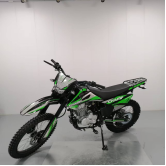
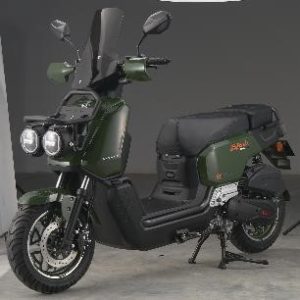
Gas Motorcycles: The Timeless Thrill of Internal Combustion on Two Wheels
Introduction
Gas-powered motorcycles have carved out a enduring niche in the world of riding. From the roar of a tuned twin to the tactile feedback of a well-tuned throttle, gas motorcycles offer a visceral experience that many riders still crave despite the rise of electric options. This post dives into how gas motorcycles work, what makes them fun to ride, maintenance essentials, and how they compare to modern electric rivals.
Section 1: How Gas Motorcycles Work
At the heart of most gas motorcycles is a spark-ignition internal combustion engine. Here’s the basics in approachable terms:
- Air and fuel mix: Fuel is drawn from the tank into the carburetor or fuel-injection system, where it blends with air.
- Combustion: The air-fuel mixture enters the combustion chamber and is ignited by a spark plug. The controlled explosion pushes the piston downward.
- Power to the wheels: The piston’s movement turns the crankshaft, which, through the transmission and final drive, powers the rear wheel.
- Supporting systems:
- Cooling: Air-cooled or liquid-cooled to manage engine temperatures.
- Lubrication: Oil circulates to reduce wear and lubricate moving parts.
- Exhaust and intake: Managed to balance performance, efficiency, and emissions.
- Electrical system: Powers lights, gauges, and electronics.
Section 2: Performance and Riding Experience
Gas motorcycles cover a broad spectrum—from nimble 125–250cc bikes suited to city riding to high-performance 600cc+ machines for sport riding. Key aspects riders notice:
- Torque and power delivery: Throttle response is immediate, with torque often available across a wide RPM range, especially in mid-displacement bikes.
- Sound and character: The engine note, exhaust rasp, and mechanical clatter contribute to a unique sensory experience.
- Handling: Frame geometry, weight distribution, suspension setup, and tire choice shape stability and cornering feel.
- Reliability and simplicity: Many riders value the straightforward mechanics and repairability of gas engines, along with a wide ecosystem of parts and services.
Section 3: Maintenance Essentials
Proper maintenance is what keeps gas motorcycles performing reliably. Essentials include:
- Oil and filter changes: Regular oil changes protect the engine and maintain lubrication efficiency.
- Air and fuel system: Clean or replace air filters, monitor fuel quality, and check for injector cleanliness in newer bikes.
- Spark plugs and ignition: Inspect or replace spark plugs to ensure clean combustion and smooth power delivery.
- Cooling system: For liquid-cooled engines, check coolant levels and hoses; for air-cooled engines, monitor overheating risks.
- Drive chain or belt: Keep it clean, lubricated, and properly tensioned; inspect for wear.
- Storage and fuel care: Use fuel stabilizers for long storage, and consider disconnecting or maintaining the battery if the bike won’t be ridden for weeks.
- Emissions and noise considerations: Be mindful of local regulations on exhaust systems and maintenance practices that impact emissions and noise.
Section 4: Gas vs. Electric—A Quick Comparison
As riders consider modern options, a few factors often guide the choice:
- Range and refueling: Gas bikes benefit from quick refueling and long-range capability without dependence on charging infrastructure.
- Sound and feel: The exhaust note and engine feel are integral to the riding experience for many enthusiasts.
- Cost of ownership: Initial purchase price, maintenance costs, and fuel efficiency vary; many riders find gas bikes cheaper to maintain in the short term.
- Environmental and regulatory context: Emissions standards and noise restrictions influence where and how bikes can be ridden.
- Electric advantages: Quieter operation, instant torque, and potential lower maintenance for some riders.
Section 5: Buying Guide—What to Look For
If you’re in the market for a gas motorcycle, consider:
- Purpose: Daily commuting, weekend sport riding, or recreational touring.
- Displacement and configuration: Choose a size and setup that matches your experience and intended riding style.
- Maintenance history: Look for a well-documented service history and inspect the fuel and oil systems.
- Ride experience: Test ride to assess throttle response, braking feel, ergonomics, and wind protection.
- Aftermarket support and parts: A robust ecosystem means easier upgrades and easier maintenance.
- Insurance and resale: Factor in ongoing costs and potential depreciation.
Section 6: Environment, Regulations, and Responsible Riding
Gas motorcycles contribute to emissions and noise pollution, but advances in engine technology have improved efficiency and compliance. Be aware of:
- Local emission standards and noise restrictions that affect aftermarket exhaust choices and riding compliance.
- Fuel quality requirements (e.g., ethanol content) that can influence engine performance and longevity.
- Recycling and disposal: Properly recycle old oils and batteries, and follow local guidelines for end-of-life components.
Conclusion
Gas-powered motorcycles remain a compelling choice for riders who value tactile feedback, sonic character, and the broad availability of models and services. Whether you’re drawn by the classic charm of a carbureted dinosaur or the modern efficiency of a fuel-injected machine, understanding the essentials helps you ride smarter and maintain your machine longer. As technology and policy evolve, gas motorcycles will continue to adapt—delivering a ride that many enthusiasts say is right for the road.
Optional add-ons (if you want to tailor further)
- Subtitles and imagery notes: I can add descriptive subheads, image prompts, or captions aligned with sections.
- Data or examples: I can incorporate market trends, horsepower figures, or maintenance statistics if you’d like a data-driven angle.
- CTA or engagement: I can end with a call to action, such as inviting readers to share their gas biking experiences, join a club, or compare models.