200CC ATV: The Perfect Balanced Quad for Recreation & Light‑Duty Work
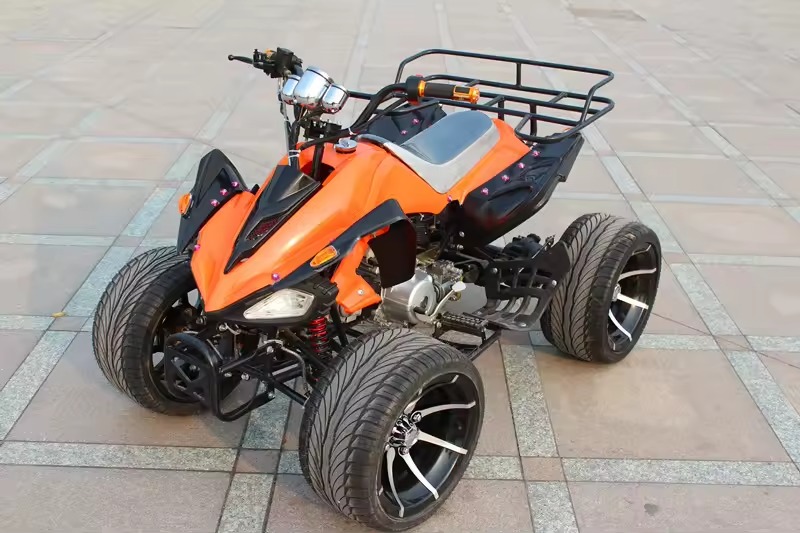
If you are shopping for an all‑terrain vehicle that balances power, affordability and easy handling, the 200 CC ATV stands out as one of the most practical mid‑size quad options on the global market. It is neither under‑powered like small youth‑model quads, nor overly heavy and expensive as large‑displacement 400CC+ machines. Designed for adult riders, hobby off‑road lovers, small‑farm operators and business distributors, this 200 CC four‑wheeler delivers reliable performance for both fun and real‑world tasksAliExpress.
Core Engine & Powertrain Performance
Most export‑grade 200CC ATVs adopt a single‑cylinder, 4‑stroke air‑cooled gasoline engine, with peak power around 11‑13 HP and strong low‑end torque. The torque output works great for climbing slopes, crossing muddy trails and carrying loads, instead of focusing purely on top speed. The typical top speed ranges from 50‑65 km/h, safe enough for trail riding while keeping good fuel economy.
Matched with fully automatic transmission plus reverse gear, riders do not need complex gear‑shifting operations. Electric start brings quick and convenient ignition, even in cold weather conditions. Many versions support 92‑grade regular gasoline, easy to source in rural and remote areas worldwide, lowering users’ daily‑use cost.
Off‑Road Capability & Chassis Build
Solid steel frame forms the base of this ATV. Independent front double‑A‑arm suspension plus rear swing‑arm shock setup absorbs bumps from gravel roads, rutted paths and muddy ground effectively. Good ground clearance helps the quad clear rocks, roots and small obstacles without bottoming out.
Large knobby all‑terrain tires deliver solid grip on mud, sand, grass and uneven dirt roads. Front and rear hydraulic disc brakes offer stable, responsive stopping power under different road conditions, improving riding safety. Front and rear cargo racks come as standard for most utility‑oriented 200CC ATV models. You can place tools, supplies or camping gear, and fit a trailer hitch for light towing workAlibaba.co….
Main Application Scenarios
- Recreational off‑road riding: Weekend trail adventures, countryside exploration, outdoor leisure for adults and experienced teen riders.
- Small‑farm & property maintenance: Patrolling farmland, transporting small‑volume tools and supplies, short‑distance field work.
- Resort & scenic spot use: Sightseeing patrol and short‑distance shuttle service for tourist sites.
- Reseller & dealer business: Hot‑selling entry‑level utility quad for global B2B distributors, with flexible container loading and competitive landed‑cost performance.
Note: This 200 CC ATV targets light‑to‑medium‑duty scenarios. It is not designed for extreme dune racing or super‑heavy‑load long‑time towing. For heavy‑duty farm jobs, higher‑displacement ATV or UTV units will be more suitable.
Why Choose 200CC ATV Over Other Displacement Options
Compared with 125‑150CC ATVs: The 200CC version gains more torque, better climbing ability and higher load capacity. It feels stable with two‑person riding and is less likely to overheat under continuous working conditions.
Compared with 250CC‑300CC ATVs: It keeps lower purchase cost, better fuel efficiency, lighter weight and easier maintenance. Spare‑part supply is mature for global after‑sales support. For most casual riders and small‑farm users, 200CC hits the sweet spot between capability and budget.
Buyer Tips for Global Customers
- Confirm local market certification requirements before purchase, such as EEC, EPA or regional import standards.
- Check key configurations: transmission type, reverse gear, brake system, cargo racks and trailer hitch support.
- Spare‑part availability matters a lot for long‑term usage. Work with suppliers that can provide complete component lists.
- Always wear full ATV protective gear (helmet, gloves, protective clothing) while riding and follow local traffic & off‑road rules.
Final Words
The 200CC ATV wins popularity across many countries for its well‑rounded performance. Whether you want an off‑road toy for weekend adventures or a practical workhorse for daily property tasks, this mid‑size quad brings outstanding value for money. For overseas dealers, it is also a high‑demand entry‑level product to expand your powersports product portfolio.